Yukon Gold potatoes are a popular and versatile variety known for their smooth texture, rich flavor, and golden-yellow flesh. This variety has become a favorite among home gardeners, chefs, and commercial farmers alike. In this article, we will delve into the history, characteristics, cultivation, nutritional value, and culinary uses of Yukon Gold potatoes.
The Yukon Gold potato was developed in the 1960s and 1970s by a team of Canadian agricultural scientists led by Gary Johnston at the University of Guelph in Ontario. The goal was to create a potato with the characteristics of a European yellow-fleshed variety but with improved adaptability to North American growing conditions. After years of cross-breeding and selection, the Yukon Gold was officially released to the market in 1980. It quickly gained popularity due to its unique attributes and has since become one of the most widely grown and recognized potato varieties.
Yukon Gold potatoes belong to the species Solanum tuberosum. Here are some key botanical characteristics:
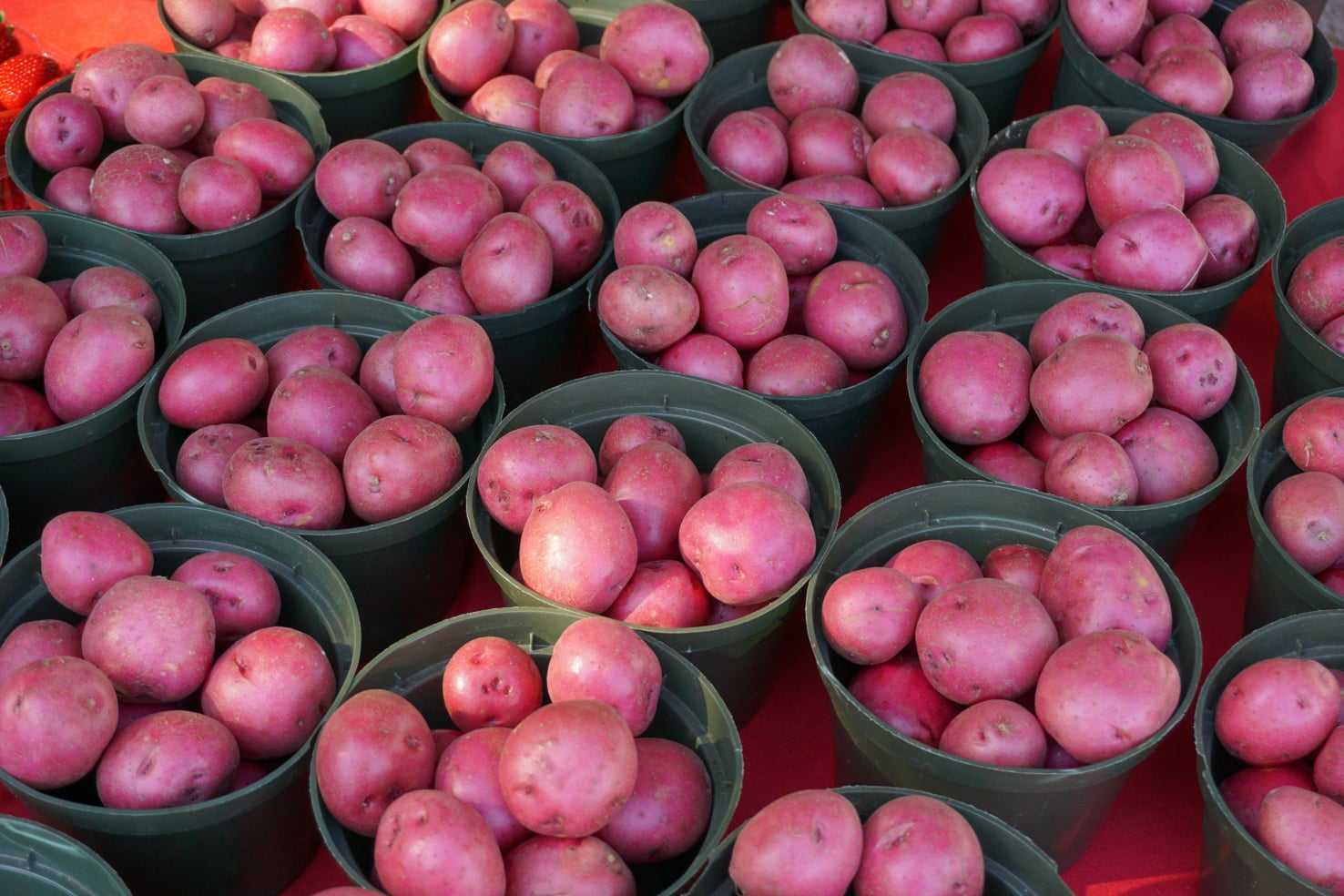
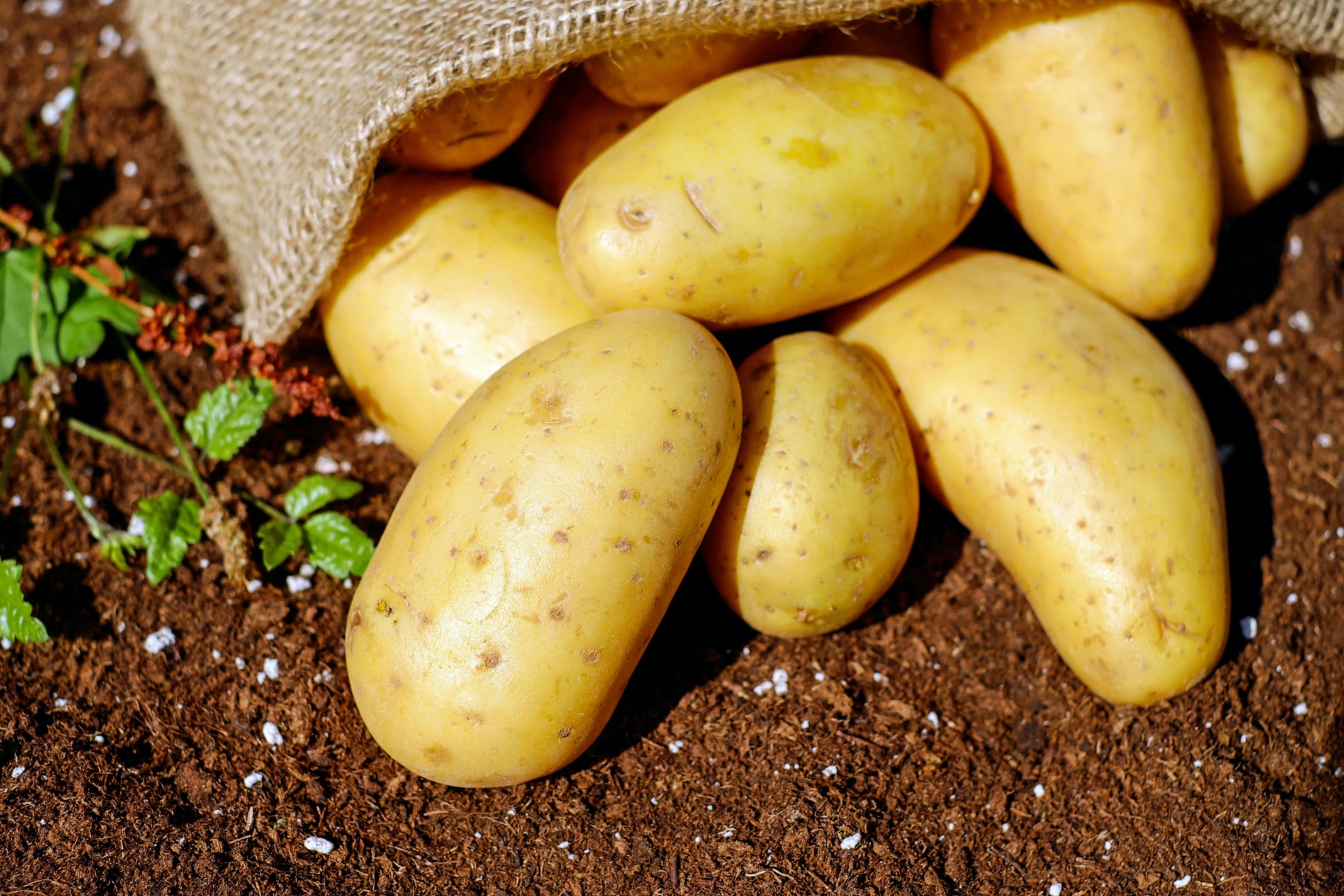
1. Flesh and Skin: The flesh of Yukon Gold potatoes is golden-yellow, which sets them apart from most other varieties with white flesh. The skin is thin and smooth with a light yellow to tan color.
2. Plant Vigor: Yukon Gold plants are semi-determinate, meaning they have a growth habit between determinate and indeterminate. They produce medium-sized vines with broad, dark green leaves.
3. Tubers: The tubers are oval to round in shape with shallow eyes, making them easy to peel.
4. Maturity: Yukon Gold potatoes are considered an early to mid-season variety, maturing in approximately 70 to 90 days after planting.
Yukon Gold potatoes are adaptable to a wide range of growing conditions but perform best under specific conditions:
1. Soil: They thrive in well-drained, loamy soil with a pH between 5.0 and 7.0. Soil should be rich in organic matter to provide adequate nutrients.
2. Climate: Yukon Gold potatoes prefer cool climates with daytime temperatures between 60°F to 70°F (15°C to 21°C) and nighttime temperatures not falling below 50°F (10°C).
3. Watering: Consistent moisture is crucial, especially during tuber formation. However, waterlogged soil should be avoided as it can lead to rot and disease.
4. Sunlight: Full sun exposure, with at least 6 to 8 hours of direct sunlight per day, is essential for optimal growth.
Yukon Gold potatoes are not only delicious but also nutritious. They are an excellent source of vitamins and minerals, including:
1. Vitamin C: Important for immune function and skin health.
2. Potassium: Essential for maintaining healthy blood pressure and muscle function.
3. Vitamin B6: Involved in numerous metabolic processes.
4. Fiber: Supports digestive health.
5. Antioxidants: The yellow flesh contains carotenoids, which have antioxidant properties.
Bamberg potatoes, also known as Bamberger Hörnla or Bamberg Hörnla, are a unique and ancient variety known for their distinctive shape, rich flavor, and excellent culinary qualities. Originating from the Bamberg region in Germany, these potatoes are cherished by both home gardeners and gourmet chefs. In this article, we will explore the history, characteristics, cultivation, nutritional value, and culinary uses of Bamberg potatoes.
The Bamberg potato is a heritage variety with a long history in the Franconian region of Germany, particularly around the town of Bamberg. It has been cultivated for centuries and is deeply embedded in the local agricultural traditions. The variety has received protection under the EU's Protected Designation of Origin (PDO) status, highlighting its cultural and agricultural significance. This status ensures that only potatoes grown in the designated region and meeting specific quality standards can be marketed as Bamberg potatoes.
Bamberg potatoes belong to the species *Solanum tuberosum*. Here are some key botanical characteristics:
1. Flesh and Skin: Bamberg potatoes have a yellowish to light beige flesh with a thin, brownish skin that is somewhat rough to the touch.
2. Shape: They are known for their distinctive, elongated, and slightly curved shape, resembling a small, twisted horn or finger.
3. Plant Vigor: The plants produce medium-sized vines with broad leaves, and they are relatively hardy compared to other varieties.
4. Tubers: The tubers are small to medium-sized with shallow eyes, making them somewhat challenging to peel but ideal for cooking whole.
5. Maturity: Bamberg potatoes are a late-season variety, maturing in about 100 to 120 days after planting.
Bamberg potatoes thrive under specific growing conditions:
1. Soil: They prefer well-drained, sandy-loam soil with good organic matter content and a pH between 5.0 and 7.0.
2. Climate: This variety performs best in temperate climates with cool to warm growing seasons. They are not well-suited to hot, humid conditions.
3. Watering: Consistent moisture is crucial, especially during the tuber formation stage. However, overwatering should be avoided to prevent rot.
4. Sunlight: Full sun exposure is necessary, with at least 6 to 8 hours of direct sunlight per day.
Bamberg potatoes are not only prized for their flavor but also for their nutritional benefits. They provide a variety of essential nutrients, including:
1. Vitamin C: Important for immune function and skin health.
2. Potassium: Essential for maintaining healthy blood pressure and muscle function.
3. Vitamin B6: Involved in numerous metabolic processes.
4. Fiber: Supports digestive health.
5. Antioxidants: Contain compounds that help protect against oxidative stress.
Red potatoes are a popular variety known for their vibrant red skin, smooth texture, and versatile culinary uses. These potatoes are widely grown and appreciated for their unique appearance and flavor. In this article, we will explore the history, characteristics, cultivation, nutritional value, and culinary uses of red potatoes.
Red potatoes have a long history and have been cultivated in various regions around the world. While specific origins can be traced back to the Andean regions of South America, where potatoes were first domesticated over 7,000 years ago, red-skinned varieties have since spread globally. Today, they are a staple in many cuisines and are particularly popular in North America and Europe.
Red potatoes belong to the species *Solanum tuberosum*. Here are some key botanical characteristics:
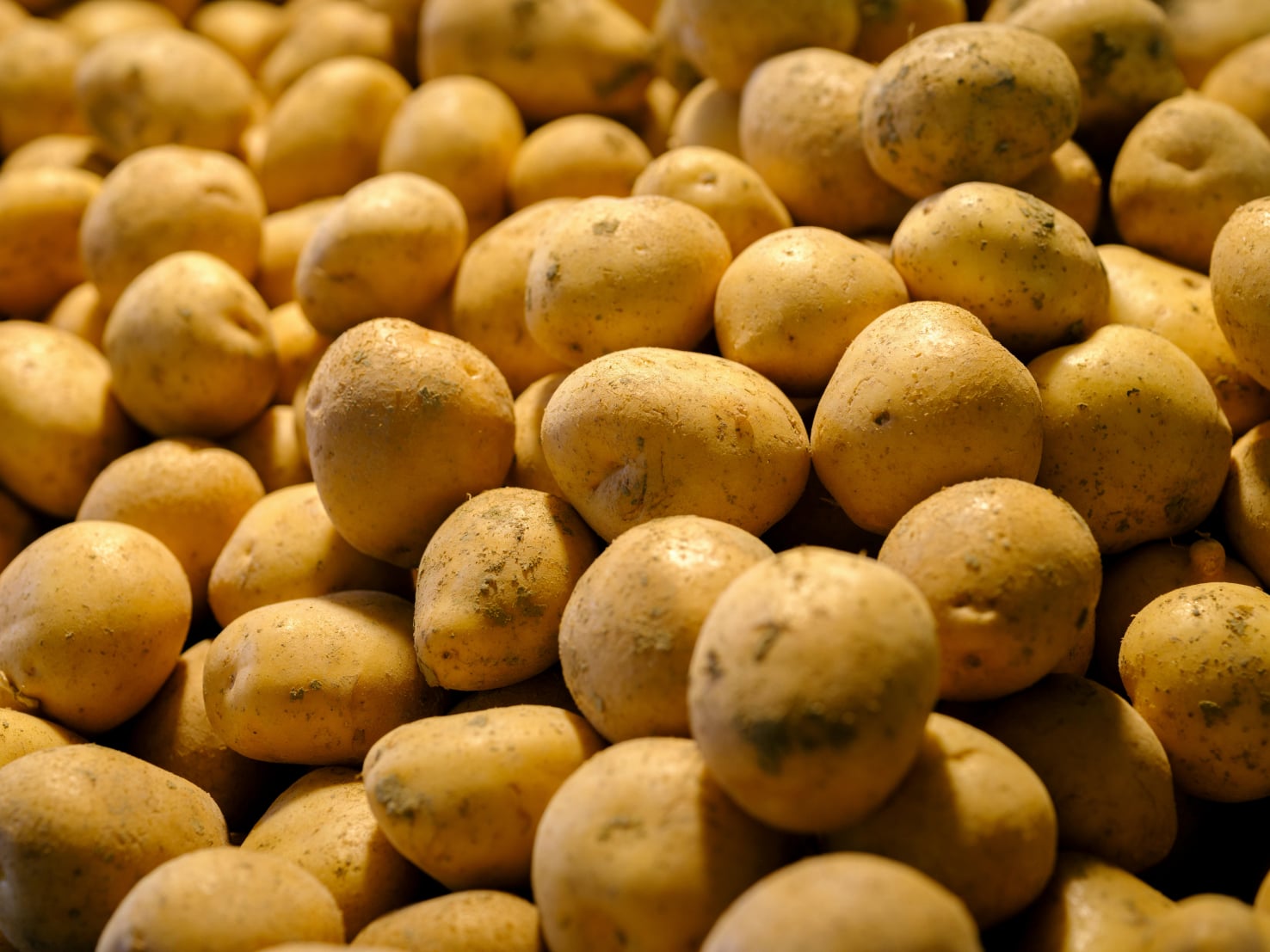
1. Flesh and Skin: Red potatoes have smooth, thin, and vibrant red skin with white to yellow flesh. The skin is often smooth but can sometimes be slightly rough depending on the variety.
2. Shape: They are typically round to oblong in shape and have shallow eyes, making them easy to prepare without extensive peeling.
3. Plant Vigor: Red potato plants are robust and produce medium to large-sized vines with dark green leaves.
4. Tubers: The tubers are medium to large-sized, depending on the specific variety.
5. Maturity: Red potatoes can range from early to late-season varieties, maturing anywhere from 70 to 120 days after planting.
Red potatoes thrive under a range of growing conditions but have some specific preferences:
1. Soil: They prefer well-drained, loamy soil rich in organic matter with a pH between 5.0 and 7.0.
2. Climate: Red potatoes grow best in temperate climates with cool to warm growing seasons. They can tolerate a range of temperatures but do best in environments with moderate temperatures.
3. Watering: Consistent watering is crucial, especially during tuber formation. Ensure the soil remains moist but not waterlogged.
4. Sunlight: Full sun exposure, with at least 6 to 8 hours of direct sunlight per day, is essential for optimal growth.
Red potatoes are not only tasty but also nutritious. They offer a variety of essential nutrients, including:
1. Vitamin C: Important for immune function and skin health.
2. Potassium: Essential for maintaining healthy blood pressure and muscle function.
3. Vitamin B6: Involved in numerous metabolic processes.
4. Fiber: Supports digestive health.
5. Antioxidants: The red skin contains anthocyanins, which have antioxidant properties.